
Companion article to the Summit Instagram post of October 27, 2026 — view the original post on @summit.pest.pnw.
One flap, two jobs
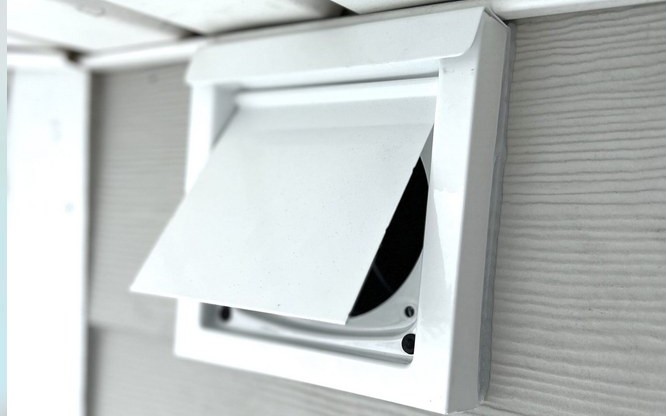
A dryer vent has one moving part: the flap on the outside hood. While the dryer runs, it has to open freely so the exhaust can get out. When the cycle ends, that same flap should fall closed — and the closed flap is what keeps insects, and the occasional mouse, from using the vent as a doorway into the duct.
The one-minute check
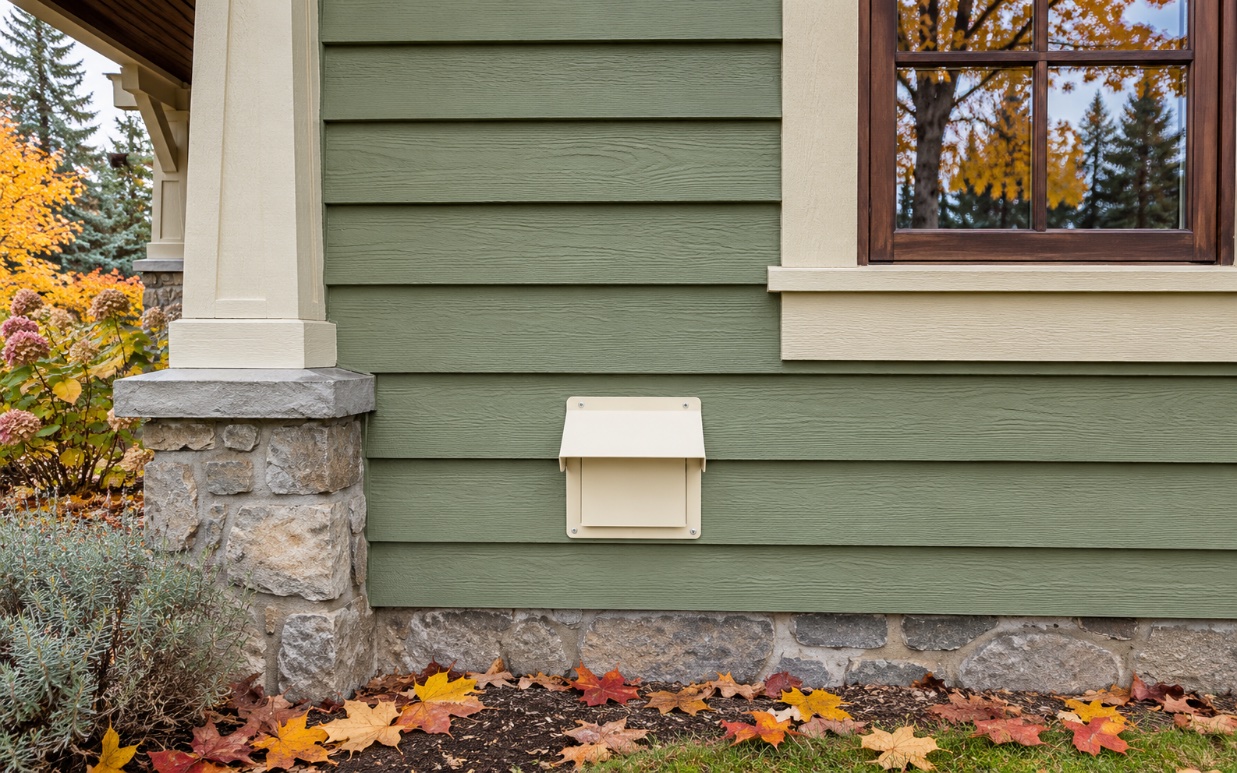
From outside, the check takes a minute:
- The cover sits closed at rest.
- It moves freely when you lift it.
- There’s no visible lint packed around the edges.
- There’s no damage around the opening.
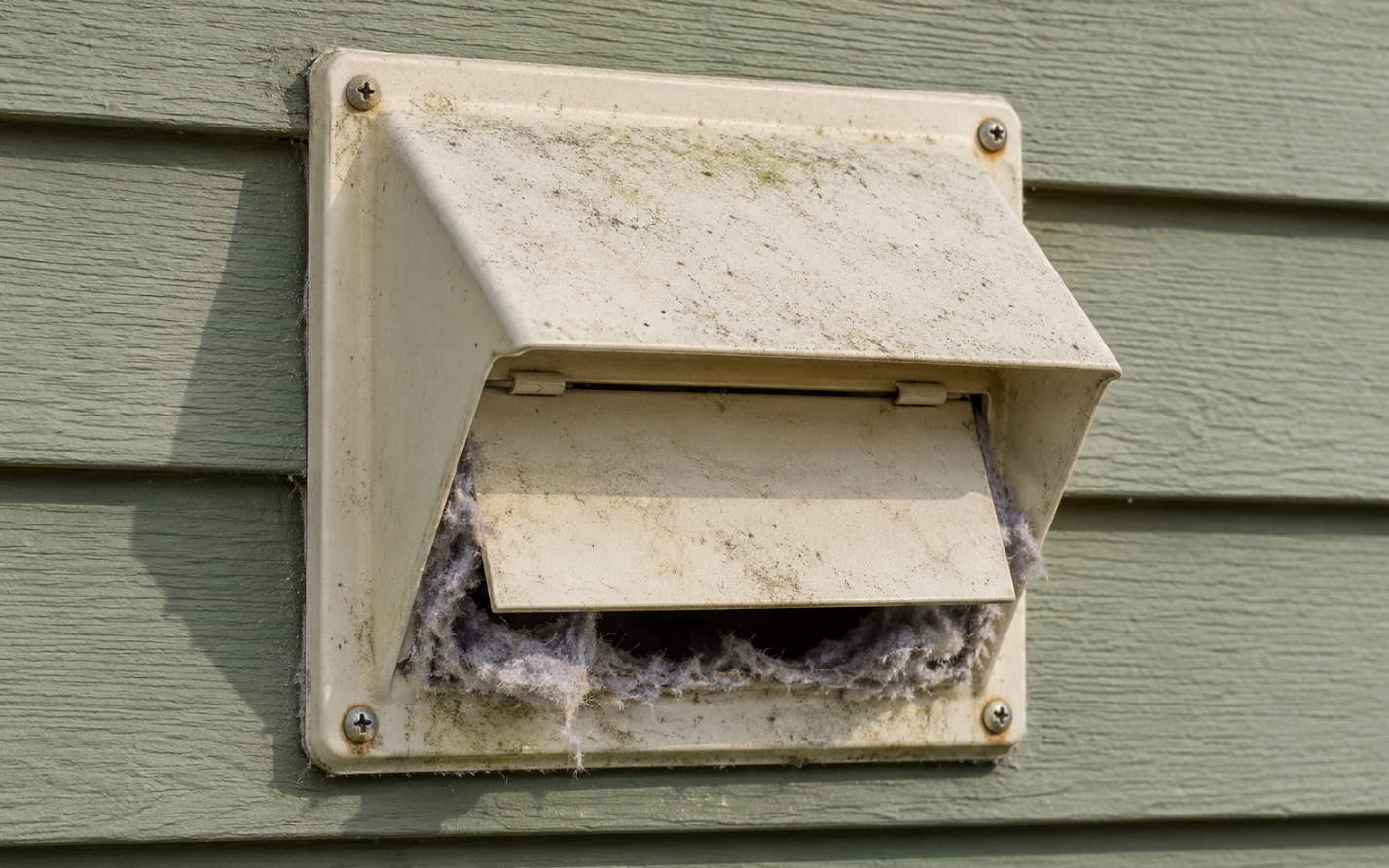
Lint buildup, a bent flap, or a cracked frame can hold the opening partway open — and partway open, all winter, is an invitation.
Two cautions
- Don’t add mesh or screen over the outlet, and don’t block it. The cover has to open under airflow; a screened vent defeats the flap’s first job to do its second.
- This check has a scope. The exterior check doesn’t replace dryer vent duct maintenance — it only covers what you can see from the yard.
It’s worth a look before colder weather, while you’re already walking the foundation line.
Summit Pest Solutions launches local service in 2027 in Spokane and Coeur d’Alene. Until then, these notes are our way of being useful before we arrive.
What to Check
- Vent cover closed at rest
- Flap lifts freely
- No lint packed around the edges
- No cracks or damage around the opening
- No mesh, no screen, no blockage added
Sources
- Source post (Summit Pest Solutions, Instagram, October 27, 2026): https://www.instagram.com/p/DfAX2uXE7Vw/
Northwest Field Notes
Follow Summit
Follow Summit for local pest-prevention advice ahead of our 2027 launch in Spokane and Coeur d’Alene — summitpestsolutionspnw.com. Questions before launch: office@summitpest.org.
Email office@summitpest.org