Companion article to the Summit Instagram post of November 3, 2026 — view the original post on @summit.pest.pnw.
The plain version
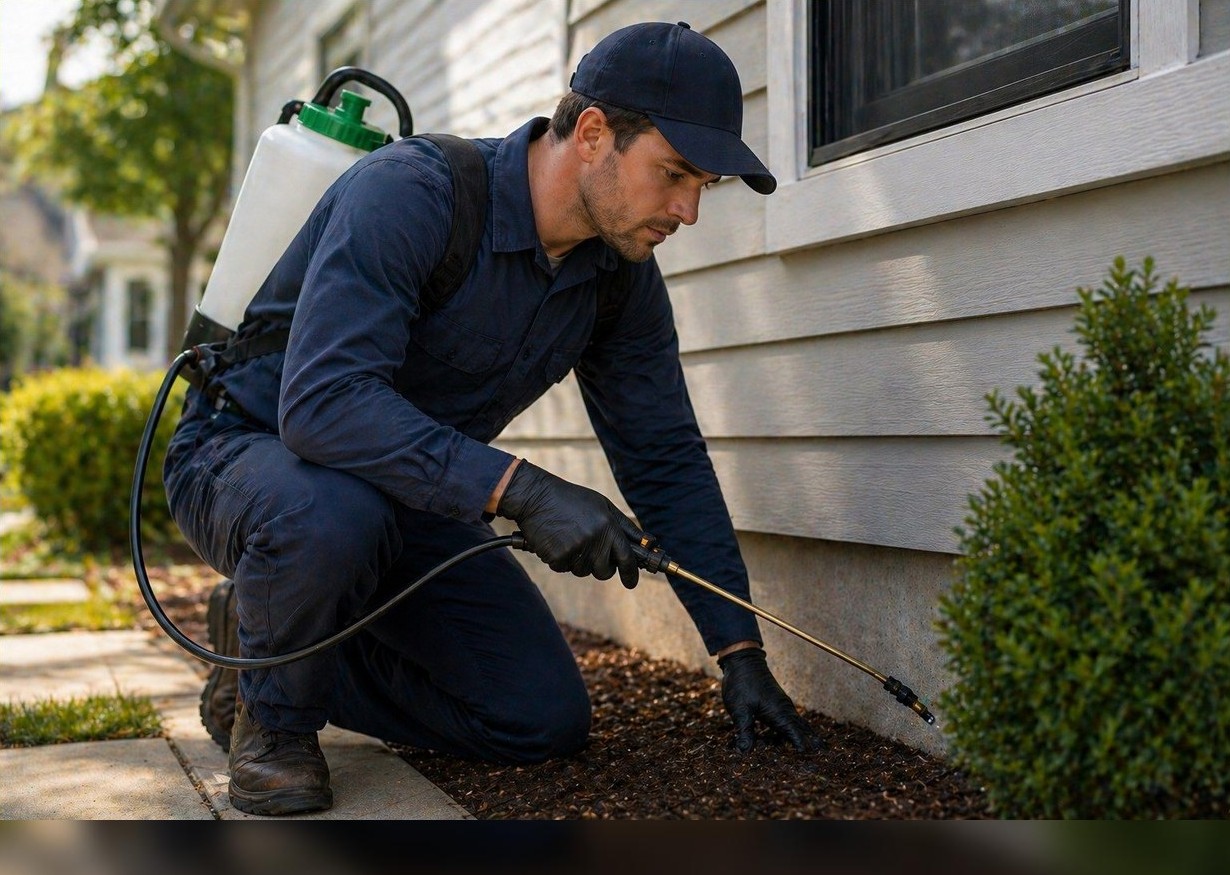
Most pests found inside a home walked in from outside — ants trailing a foundation line, spiders working the eaves, overwintering bugs testing every seam in fall. A barrier treatment targets the surfaces those pests cross on the way in. That’s the whole concept: treat the crossing points, because the crossings are where the traffic is.
Where it goes isn’t automatic
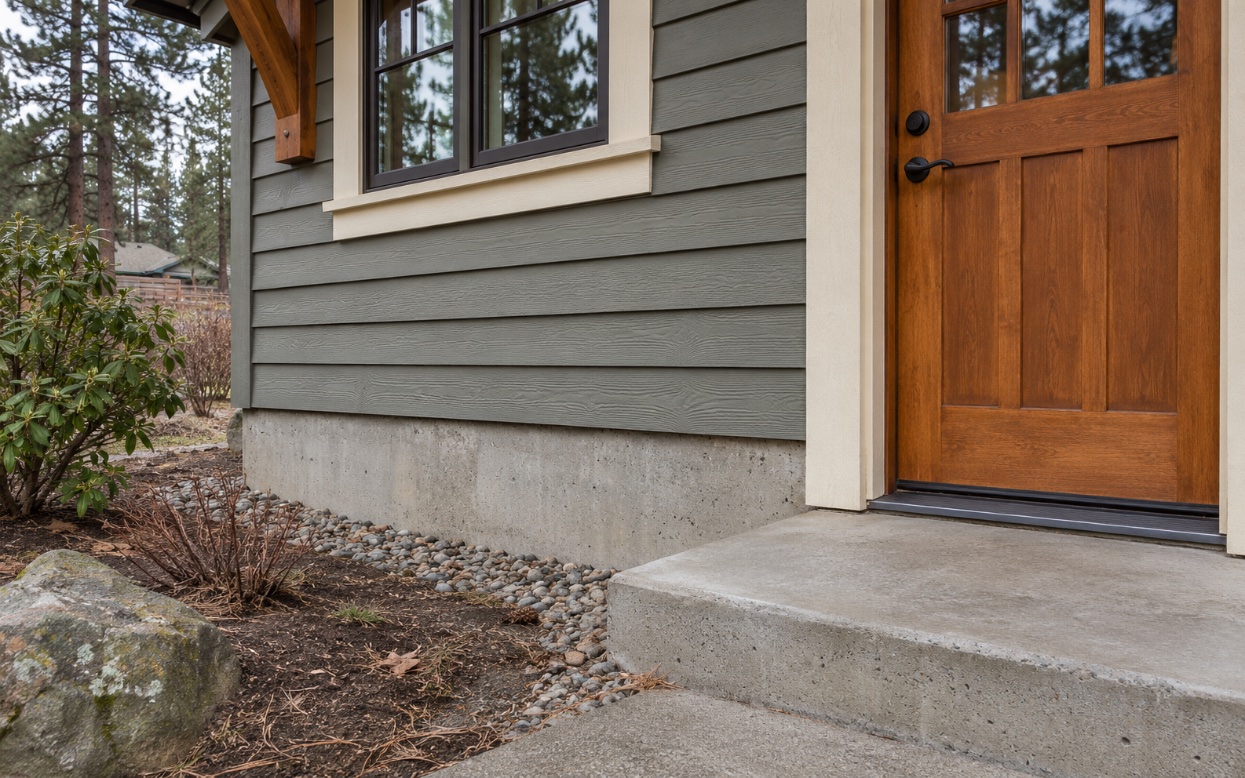
Treatment locations depend on the pest, the property, the product label, and what an inspection finds. Anyone who quotes you a barrier without looking at your home first is guessing at all four.
The honest limits
The post is direct about what a barrier does not do, and this article keeps that front and center:
- It helps manage covered pests that encounter treated areas.
- It doesn’t physically close entry gaps — a crack is still a crack.
- How long it lasts varies with the pest, product, surface, and conditions.
One layer of a system
A barrier is the first layer of a system, not the whole answer: step one of the five-point approach Summit is built on. The other four steps — ground treatment, web and wasp removal, interior defense, and rodent protection — will each get their own note here as the series continues.
Summit Pest Solutions launches local service in 2027 in Spokane and Coeur d’Alene. Until then, these notes are our way of being useful before we arrive.
What to Check
- Asking about a barrier? Ask which surfaces, chosen for which pest, based on what inspection
- Gaps and cracks still need sealing — treatment doesn’t close them
- Longevity claims should come with their conditions attached
Sources
- Source post (Summit Pest Solutions, Instagram, November 3, 2026): https://www.instagram.com/p/DfSiVevj38G/
Northwest Field Notes
Follow Summit
Follow Summit for the rest of the five-point series and local pest advice ahead of our 2027 launch — summitpestsolutionspnw.com. Questions before launch: office@summitpest.org.
Email office@summitpest.org